01
Genetic and molecular mechanisms
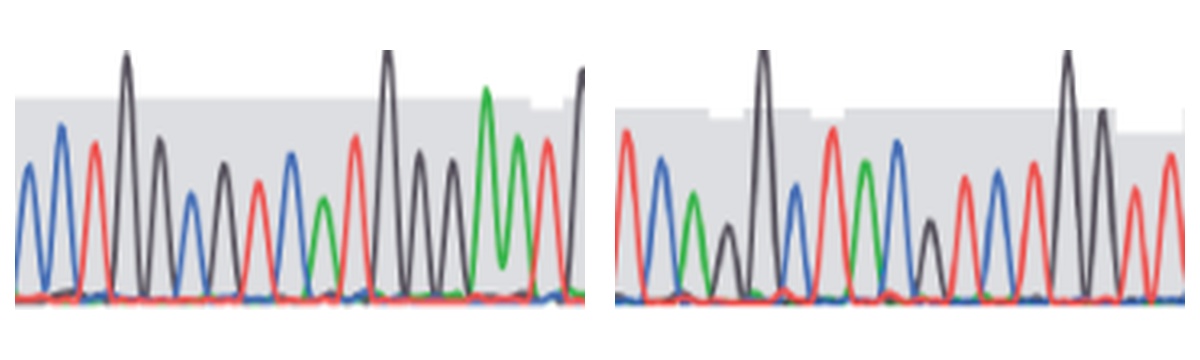
We study how genetic variation and changes in molecular pathways contribute to neuromuscular disorders, linking molecular findings to the biology of muscle disease.
Understanding skeletal muscle health and disease through genetics, cellular biology, physiological responses, and therapeutic development.
Understanding the molecular basis of neuromuscular disease.

Studying muscle development and disease in living systems.

Investigating disease mechanisms and evaluating therapies.
Skeletal muscle function depends on the coordinated regulation of contractile architecture, protein homeostasis, cellular metabolism, and responses to physiological demands. Disruption of these interconnected processes can compromise muscle integrity and function across a wide spectrum of neuromuscular disorders.
Our research investigates the molecular mechanisms underlying skeletal muscle dysfunction, with a particular emphasis on how genetic variation and cellular responses to physiological stress influence disease onset, progression, and severity. Using human genetic studies, zebrafish and mouse models, molecular and cellular approaches, and therapeutic development, we aim to identify mechanisms that can be targeted to preserve and restore muscle function.
We study how genetic variation and changes in molecular pathways contribute to neuromuscular disorders, linking molecular findings to the biology of muscle disease.
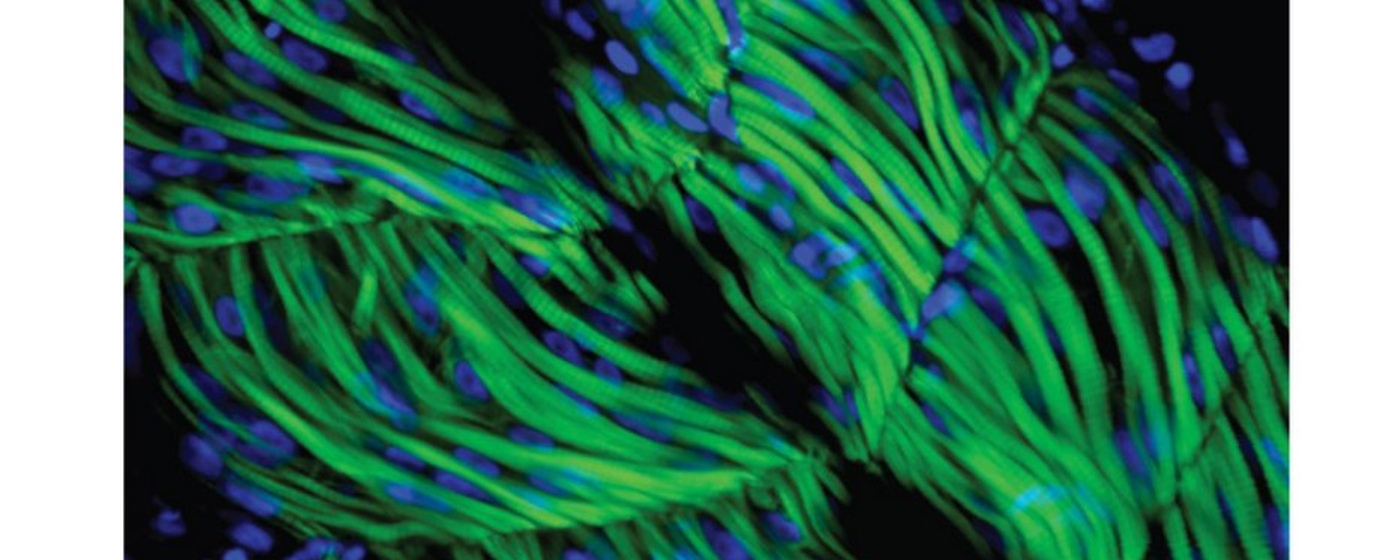
We investigate the processes that support muscle development, sarcomere organization, cellular maintenance, and force generation, and how these processes are altered in disease.
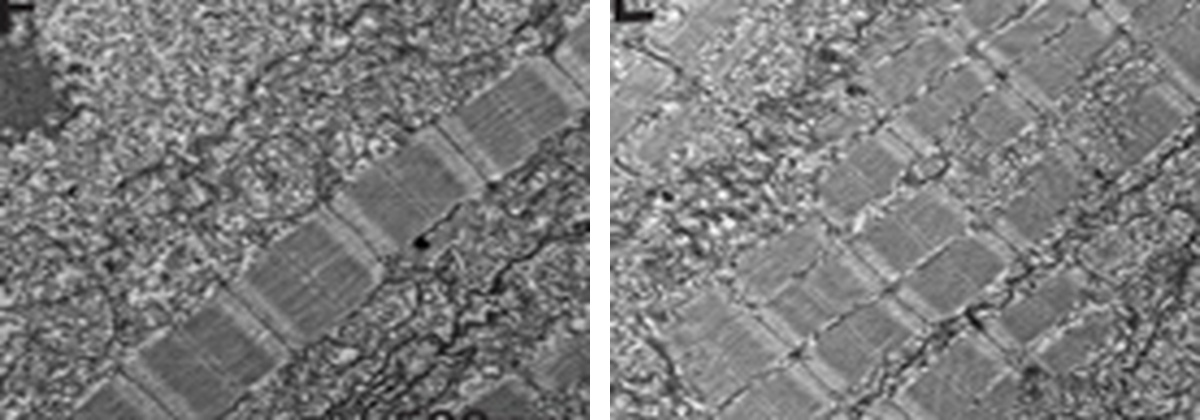
We use zebrafish, mice, and cellular models to examine disease mechanisms in biological context and evaluate changes in muscle structure and performance.
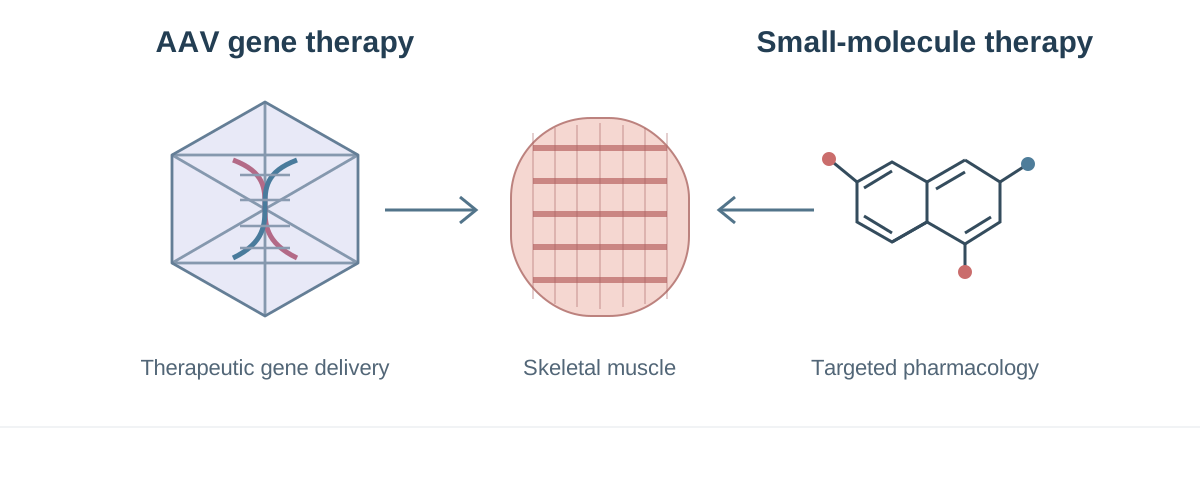
We develop and evaluate gene therapies and small-molecule approaches to restore muscle function, translating mechanistic discoveries into preclinical therapeutic strategies.
Our research connects fundamental questions in muscle biology with the long-term goal of developing better treatments for people affected by neuromuscular diseases.
Explore our publications →